
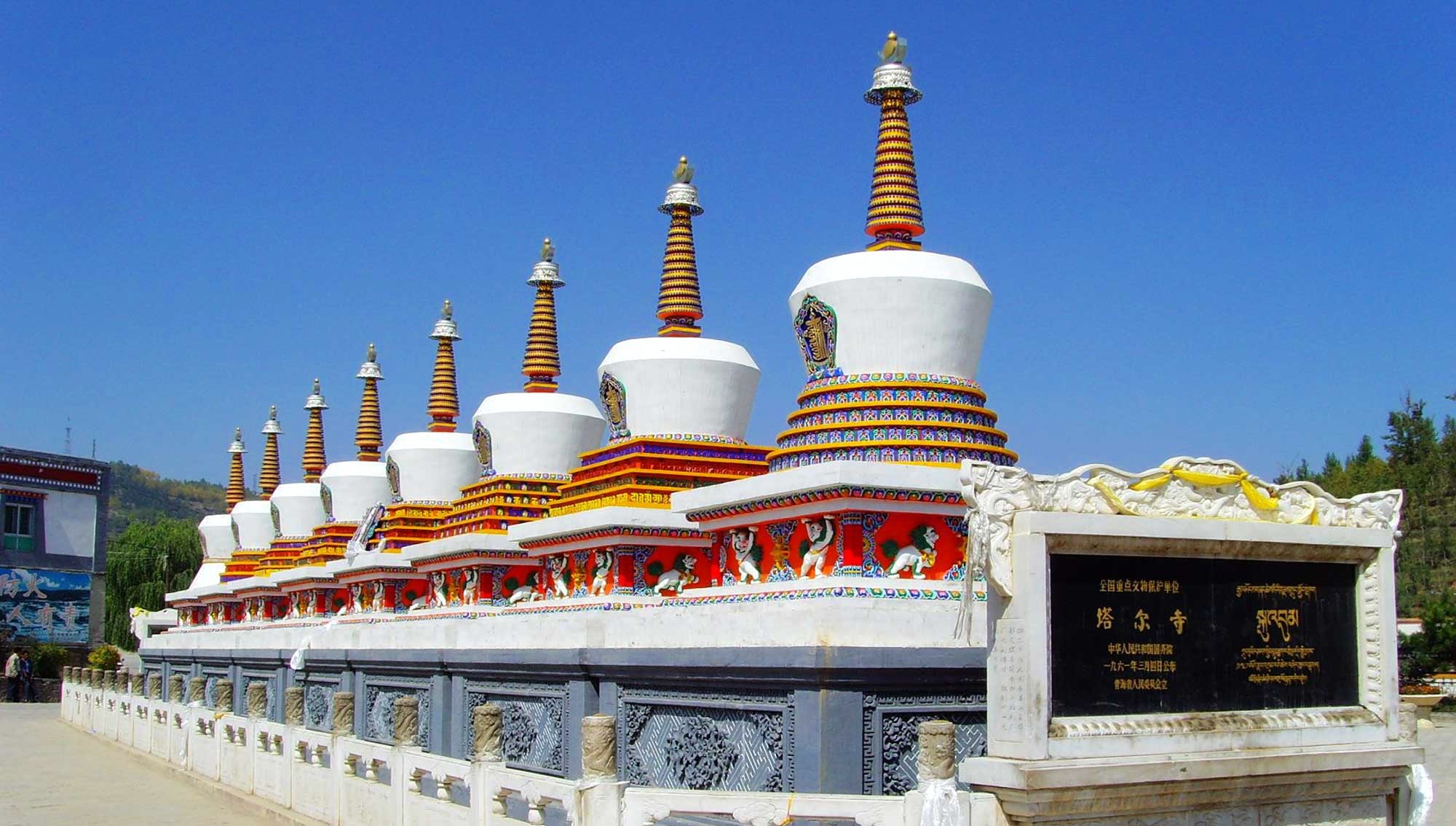
Kumbum Monastery (Ta'er Temple) in Amdo: A Comprehensive Travel Guide
Kumbum Monastery སྐུ་འབུམ་བྱམས་པ་གླིང་, also known as Ta'er Temple, is a significant Tibetan Buddhist monastery located in the Amdo region, near Xining, Qinghai Province, China. Established in 1583, it stands as one of the six major monasteries of the Gelugpa (Yellow Hat) sect of Tibetan Buddhism and is renowned as the birthplace of Tsongkhapa, the founder of the Gelug tradition. The monastery's rich history, intricate architecture, and profound spiritual significance make it a must-visit destination for travelers interested in Tibetan culture and Buddhism.
Historical Background
Kumbum Monastery was built on the site where Tsongkhapa was born in 1357. The name "Kumbum" means "100,000 images" in Tibetan, referring to the legend that a sandalwood tree with 100,000 leaves, each bearing an image of the Buddha, sprouted at his birthplace. The monastery has since grown into a sprawling complex, encompassing numerous halls, temples, and pagodas, reflecting a blend of Tibetan and Han Chinese architectural styles.
Architectural Highlights
The monastery complex boasts over 9,300 rooms and 52 halls, including Buddha halls, scripture halls, Buddhist pagodas, and monks' residences. Notable structures include:
Grand Golden Tiled Hall: Constructed in 1379, this is the main hall of the monastery, featuring a three-eave gable and hip roof adorned with gilded copper tiles. The hall's intricate design and ornate decorations exemplify the monastery's architectural grandeur.China Discovery
Main Assembly Hall: Initially built in 1621 and rebuilt in 1913 after a fire, this hall serves as the venue for monks to gather for scripture recitation and significant Buddhist ceremonies. Covering nearly 2,000 square meters, it is the largest building within the monastery.China Discovery
Dhammapala Hall: Established in 1692, this hall is dedicated to the protective deities of Tibetan Buddhism and showcases exquisite murals and statues.
Artistic Treasures
Kumbum Monastery is renowned for its "Three Artistic Wonders":
Yak Butter Sculptures: These intricate sculptures depict various Buddhist figures, animals, and scenes, crafted meticulously from colored yak butter. The sculptures are displayed during significant festivals, showcasing the artisans' exceptional skill and devotion.
Barbola (Embossed Embroidery): This unique art form involves creating raised patterns on cloth, illustrating Buddhist stories, figures, and symbols. The vibrant colors and three-dimensional effect make these artworks particularly captivating.
Murals: Adorning the walls of various halls, these murals depict scenes from Buddhist scriptures, legends, and the life of Shakyamuni Buddha. The use of mineral-based pigments ensures the colors remain vivid over centuries.
Cultural and Religious Significance
As a major center for Tibetan Buddhism, Kumbum Monastery plays a pivotal role in religious education and practice. It houses over 800 monks and serves as a hub for Buddhist learning, meditation, and rituals. The monastery's festivals, such as the Great Prayer Festival (Monlam) and the Butter Lamp Festival, attract pilgrims and tourists alike, offering a glimpse into the rich tapestry of Tibetan religious life.
Visiting Kumbum Monastery: Travel Guide and Tips
Location and Accessibility
Kumbum Monastery is situated in Lusha'er Town, Huangzhong District, approximately 25 kilometers southwest of Xining, the capital of Qinghai Province. The monastery's proximity to Xining makes it easily accessible for travelers.
How to Get There
By Bus: From Xining, travelers can take a minibus to Huangzhong County. Buses depart every 20 minutes from the west end of Xining City and stop at the Huangzhong Bus Station. From there, it's a 20 to 30-minute uphill walk to the monastery's main gate.
By Taxi: Taxis are readily available in Xining and can take you directly to the monastery. Ensure to negotiate the fare beforehand or request the driver to use the meter.
Best Time to Visit
The optimal time to visit Kumbum Monastery is from July to October when the weather is pleasant and conducive for exploration. During this period, the region experiences mild temperatures and minimal rainfall, enhancing the overall travel experience.
Operating Hours and Admission
Operating Hours: The monastery is open daily from 7:00 AM to 6:00 PM during the peak season (July to October) and from 8:00 AM to 5:00 PM in the low season.
Admission Fee: The entrance fee is CNY 70 during the peak season and CNY 40 during the low season.
Guided Tours
To fully appreciate the monastery's rich history and intricate art, it's advisable to hire a local guide. Guides can provide in-depth explanations of the various halls, artworks, and the monastery's significance in Tibetan Buddhism.
Etiquette and Guidelines
Dress Modestly: Visitors should wear conservative clothing that covers shoulders and knees. Hats and sunglasses should be removed when entering temple halls.
Photography: Photography is generally prohibited inside the temple halls. Always look for signage indicating photography restrictions and respect the rules.
Behavior: Maintain a respectful demeanor by speaking softly and refraining from disruptive behavior. When walking around religious structures, do so in a clockwise direction, following Tibetan Buddhist tradition.
Attractions Nearby
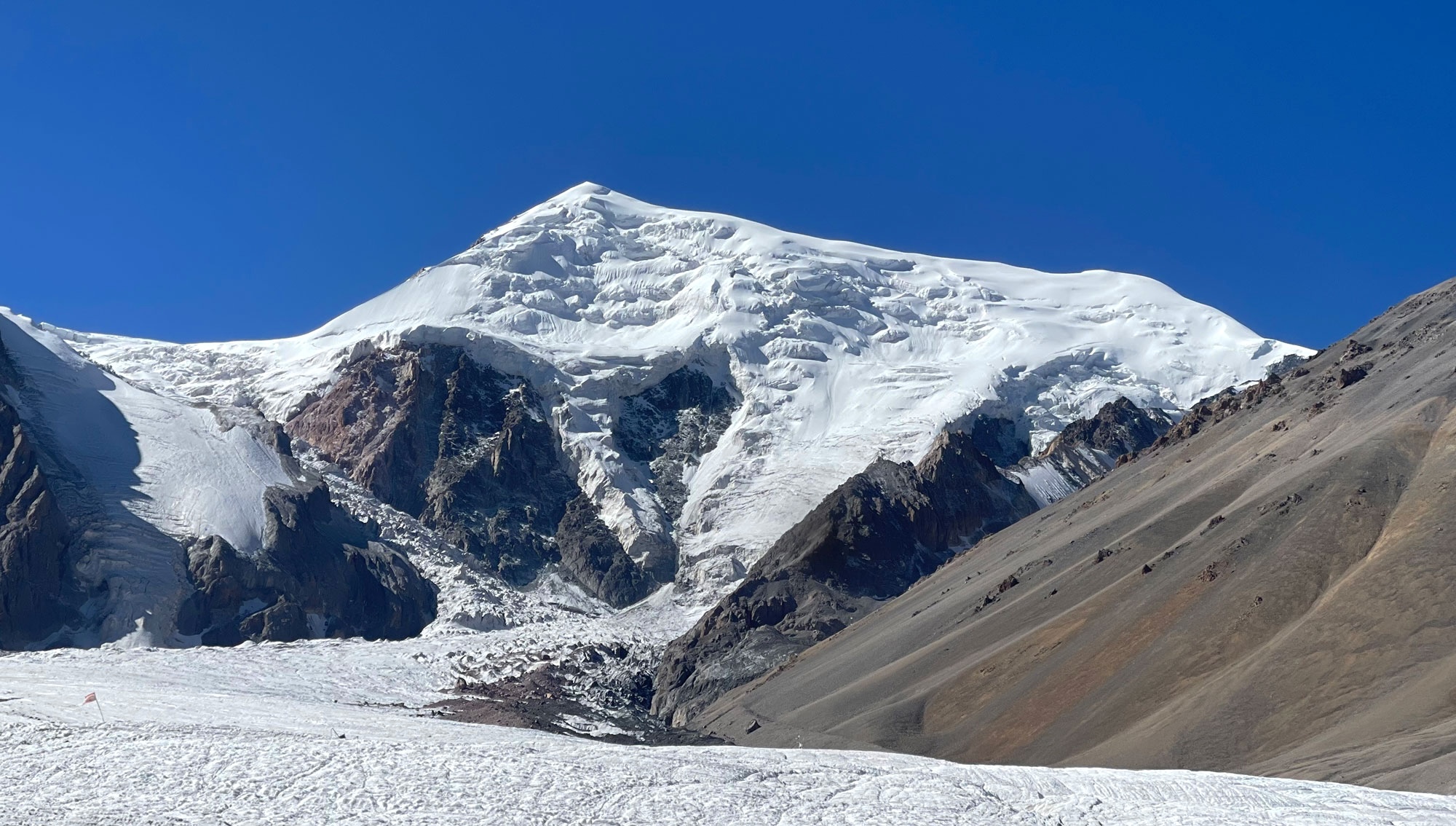
Trekking around Amnye Machen provides an unparalleled opportunity to encounter nomadic lifestyles and witness breathtaking landscapes.
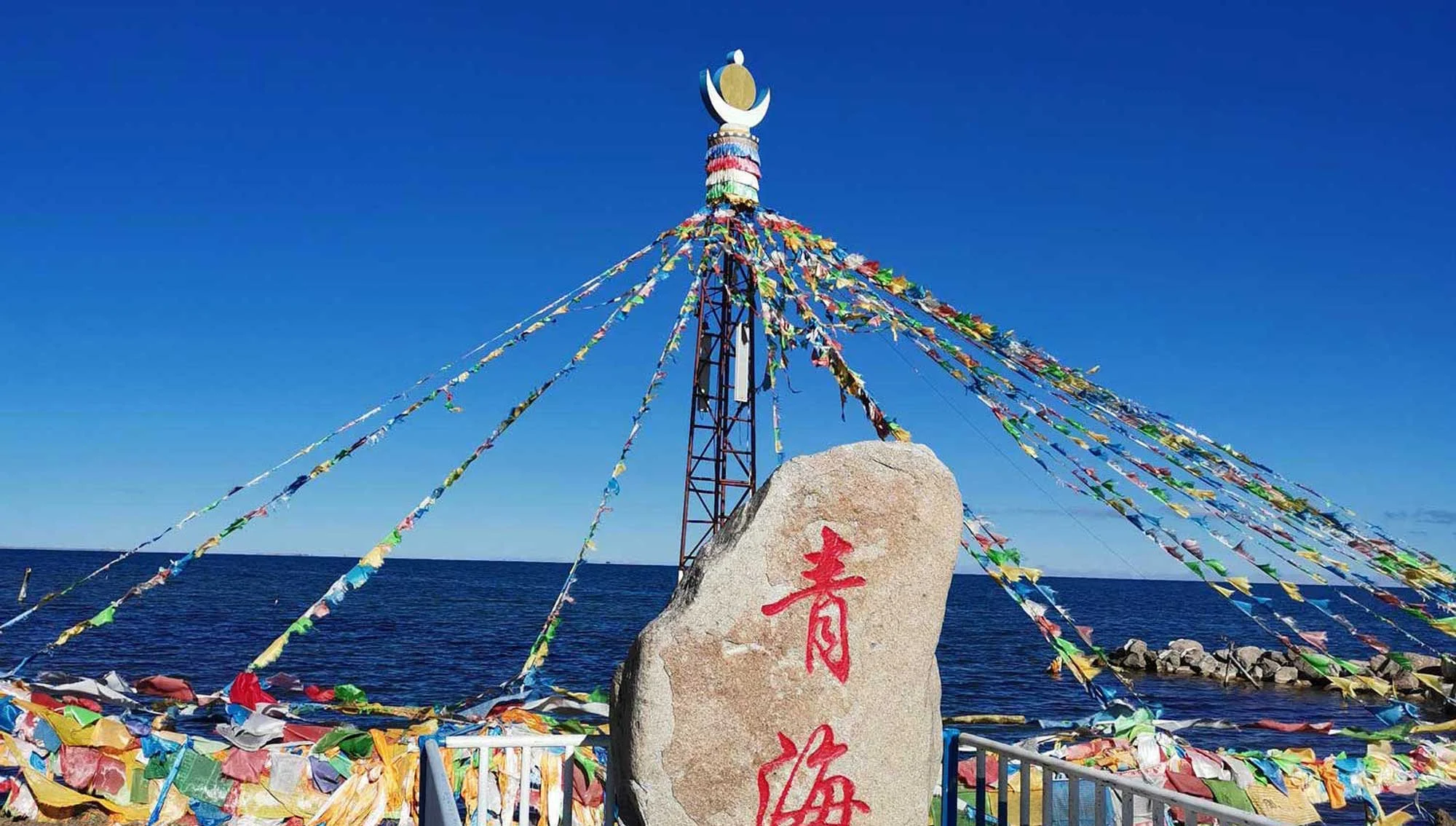
Qinghai Lake, known as “Koko Nor” in Mongolian and “Tsongon Po” in Tibetan, is the largest inland saltwater lake in China.
Explore Kumbum Monastery, birthplace of Tsongkhapa, featuring stunning murals, butter sculptures, vibrant traditions, and spirituality.
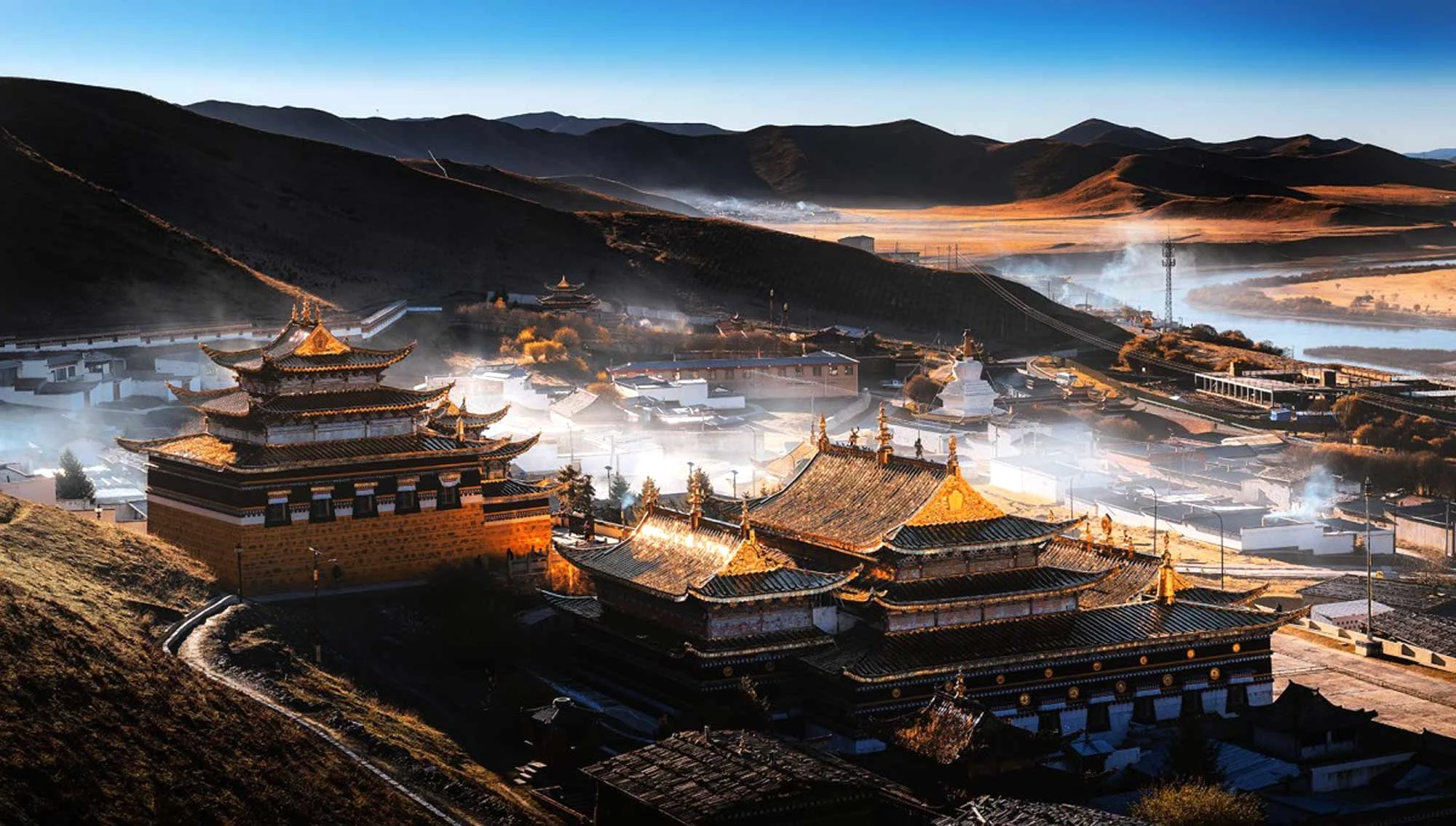
Langmu Si Monastery, also known as Taktsang Lhamo, is a sacred Tibetan Buddhist site in Amdo, surrounded by breathtaking landscapes.
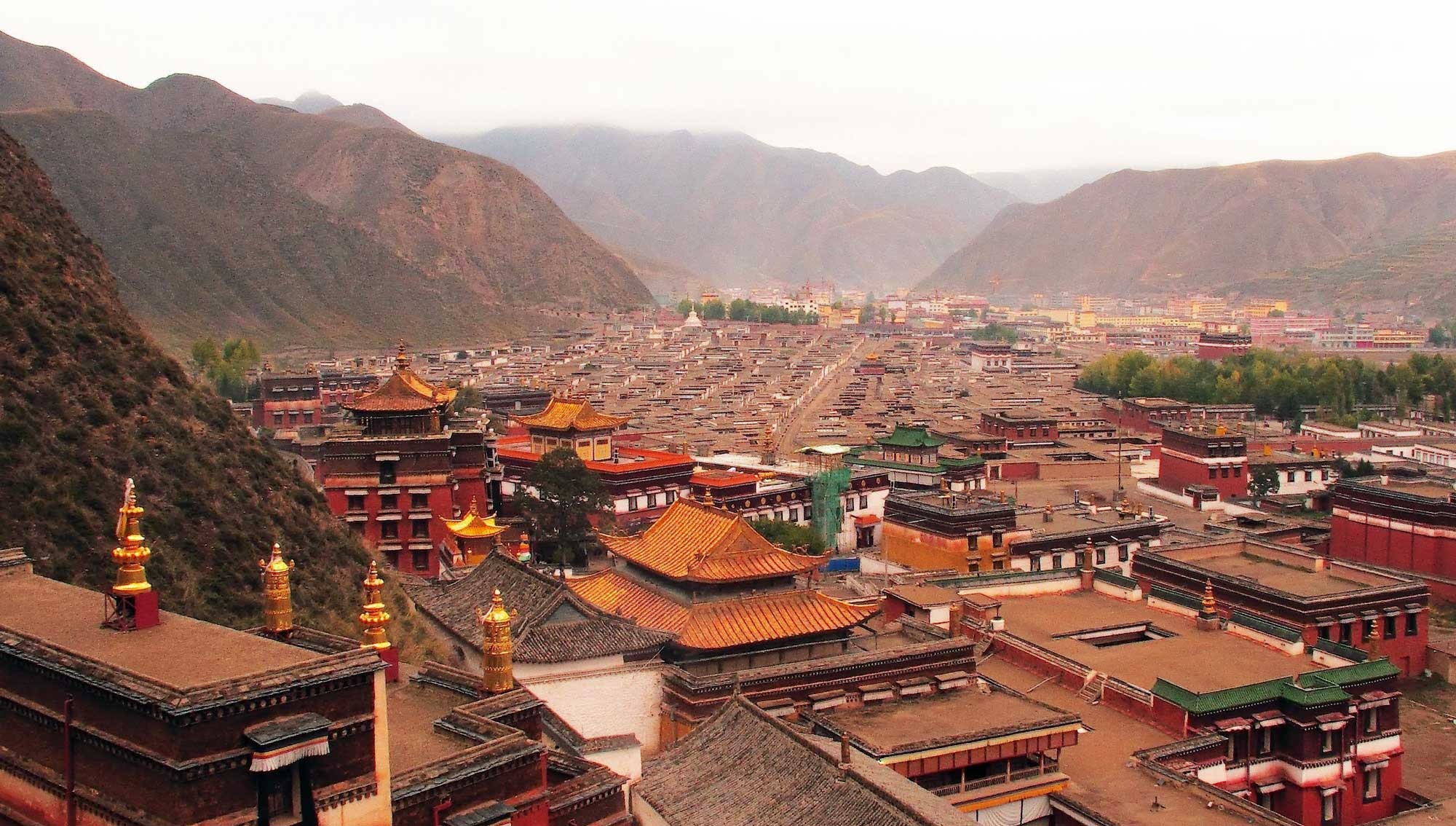
Discover Labrang Monastery, a spiritual haven with grand architecture, sacred rituals, Tibetan culture, and breathtaking surroundings
Offers to inspire you
5 Day-Trip to Lhasa City
Making it an unmissable destination for travelers seeking to trip to Lhasa city and explore the essence of Tibet.
7 Day-Lhasa & Shigatse Cultural Exploration
Travel through Tibet’s breathtaking landscapes.