

Sera Monastery, one of the three great Gelugpa monasteries of Tibet, stands as a magnificent representation of Tibetan Buddhist culture and history. Located just a few kilometers north of Lhasa, it is famous for its unique monastic debates, stunning murals, and grand architecture. Founded in the 15th century, Sera Monastery remains a significant site for pilgrims and tourists alike, offering a deep insight into Tibetan Buddhism and monastic life.
History of Sera Monastery
Sera Monastery was founded in 1419 by Jamchen Chöje Shakya Yeshé, a disciple of Tsongkhapa, the founder of the Gelug school of Tibetan Buddhism. The monastery quickly became an important center for Buddhist studies and debate, attracting thousands of monks over the centuries.
Sera, along with Drepung and Ganden Monasteries, forms the trio of great Gelug monasteries in Tibet. While Drepung was known for its political influence and Ganden for its spiritual significance, Sera was renowned for its rigorous monastic education and debate traditions. The monastery has faced challenges, including damage during the Cultural Revolution, but it has since been restored and remains an active center of learning and religious practice.
Architectural Features and Attractions
Sera Monastery is a vast complex with several notable structures, including temples, assembly halls, and monastic residences. The monastery's architecture is a fine example of traditional Tibetan design, featuring intricate wood carvings, golden rooftops, and vibrant murals.
Tsokchen Hall (Main Assembly Hall): This is the heart of the monastery, where monks gather for daily prayers and religious ceremonies. Inside, visitors can admire ancient scriptures, statues of Buddha, and exquisite thangkas (Tibetan Buddhist paintings).
Monastic Debating Courtyard: The most famous attraction of Sera Monastery is its lively debating sessions. Held in a courtyard shaded by ancient trees, monks engage in animated discussions, using unique hand gestures and expressive movements to reinforce their arguments. These debates are essential to their training and provide a fascinating spectacle for visitors.
Sera Je and Sera Me Colleges: These monastic colleges are dedicated to the study of Buddhist philosophy, logic, and rituals.
Chöding Hermitage: Located slightly away from the main complex, this hermitage was once the retreat of Tsongkhapa’s disciple, Jamchen Chöje. It is a peaceful place for meditation and reflection.
How to Get to Sera Monastery
Sera Monastery is conveniently located about 5 kilometers north of central Lhasa, making it easily accessible for visitors. There are several ways to get there:
By Taxi: The easiest and most convenient way to reach Sera Monastery is by taxi. The ride from central Lhasa takes about 15–20 minutes.
By Public Bus: Local buses operate from Lhasa city to the monastery. Visitors can take Bus No. 6, which stops near the entrance.
By Tour Group: Many local travel agencies offer guided tours that include transportation to Sera Monastery as part of their itinerary.
By Bicycle or Walking: For those looking for an adventurous approach, renting a bicycle or walking from central Lhasa is an option, though the uphill journey can be challenging.
Best Time to Visit
The ideal time to visit Sera Monastery is during the spring (April to June) and autumn (September to October) when the weather is pleasant and suitable for outdoor exploration. Winters can be extremely cold, while summers bring occasional rainfall.
A highlight of visiting Sera Monastery is witnessing the famous monastic debates, which are held in the afternoon (usually from 3:00 PM to 5:00 PM, except on Sundays and special religious occasions). To experience this unique tradition, plan your visit accordingly.
How to Visit Sera Monastery
Opening Hours and Entrance Fee
Opening Hours: 9:00 AM – 5:00 PM
Entrance Fee: Around 50 RMB (subject to change)
Visitor Tips and Guidelines
Dress Respectfully: Since Sera Monastery is an active religious site, visitors should dress modestly, covering their shoulders and knees.
Respect Monastic Traditions: Do not disturb monks during prayers or debates. Maintain silence in prayer halls and follow the instructions given by guides or monastery staff.
Walk Clockwise: Tibetan Buddhist custom dictates that visitors should walk clockwise around temples and stupas.
Photography Rules: While photography is allowed in the monastery courtyards, it is usually prohibited inside temples and prayer halls. Always check for signs or ask permission before taking photos.
Bring Water and Snacks: The monastery grounds require a fair amount of walking, so carrying water and light snacks is advisable.
Exploring Nearby Attractions
Visitors to Sera Monastery can also explore other fascinating sites nearby:
Drepung Monastery: Another of the three great Gelug monasteries, Drepung is located about 8 kilometers west of Lhasa and offers a rich historical experience.
Jokhang Temple: Considered the most sacred temple in Tibet, Jokhang Temple is located in the heart of Lhasa and is a must-visit site.
Potala Palace: The iconic former residence of the Dalai Lamas, Potala Palace is a UNESCO World Heritage site and one of the most impressive landmarks in Tibet.
Conclusion
Sera Monastery is a must-visit destination for anyone interested in Tibetan Buddhism, history, and culture. Its stunning architecture, spiritual ambiance, and the famous monastic debates make it a truly unique experience. Whether you're a pilgrim seeking spiritual enlightenment or a traveler eager to explore Tibetan heritage, a visit to Sera Monastery will leave a lasting impression. With its close proximity to Lhasa and rich cultural significance, this monastery remains one of the most fascinating sites in Tibet.
Attractions Nearby
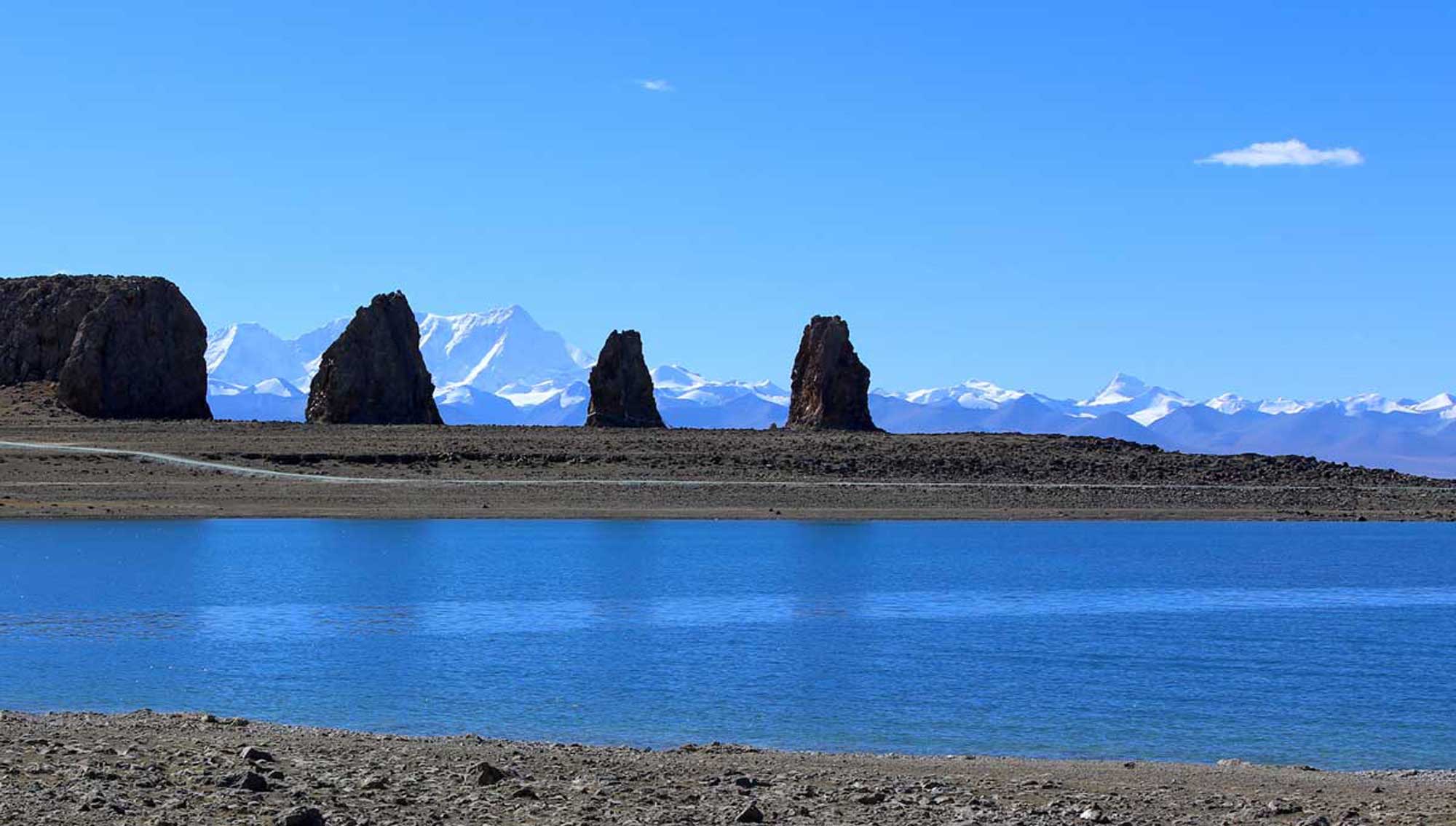
Namtso Lake, a sacred Tibetan site, offers breathtaking views, crystal-clear waters, and serene high-altitude beauty…
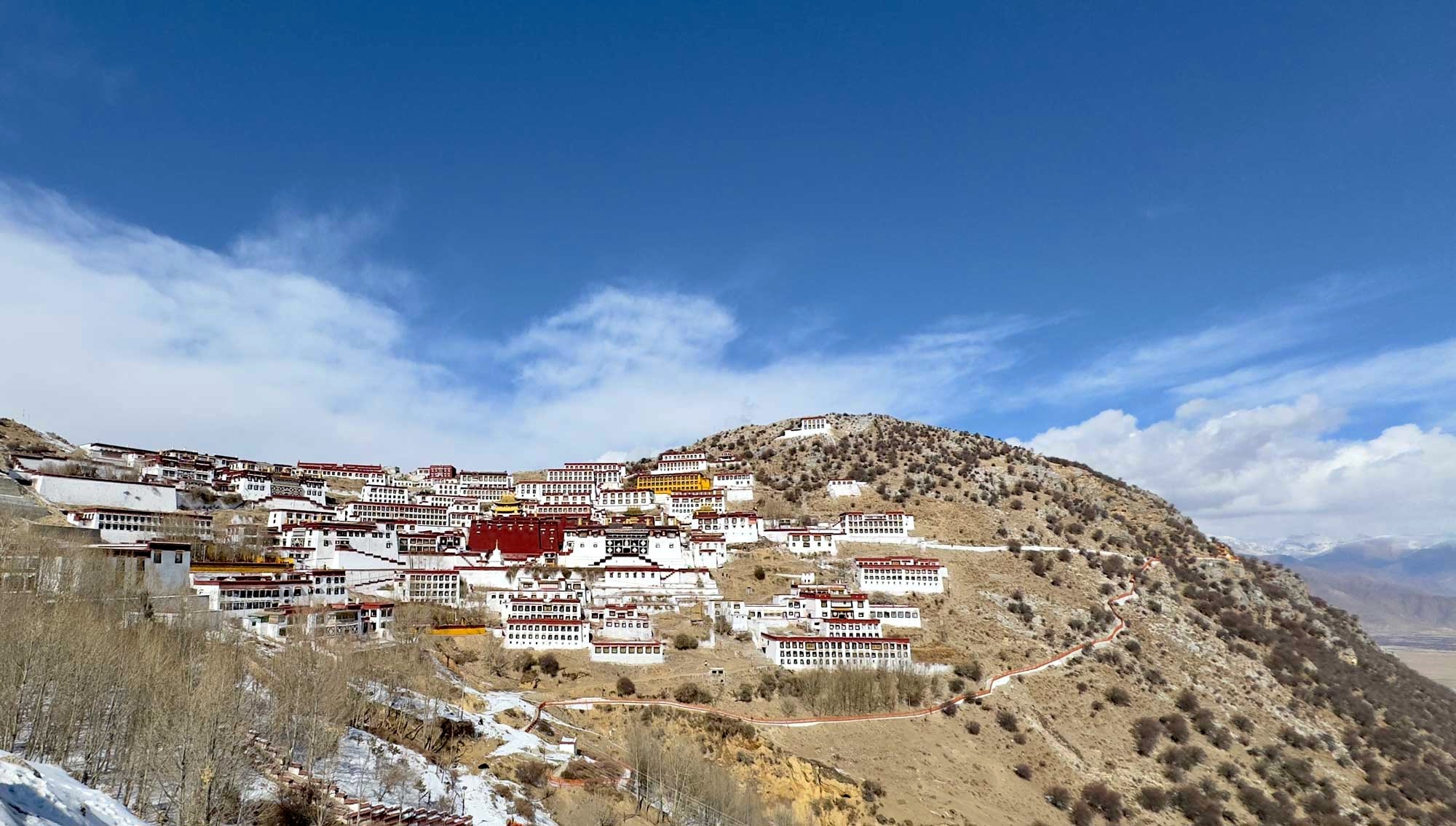
Ganden Monastery, perched on a mountain, offers stunning views, rich history, and deep Tibetan Buddhist significance.
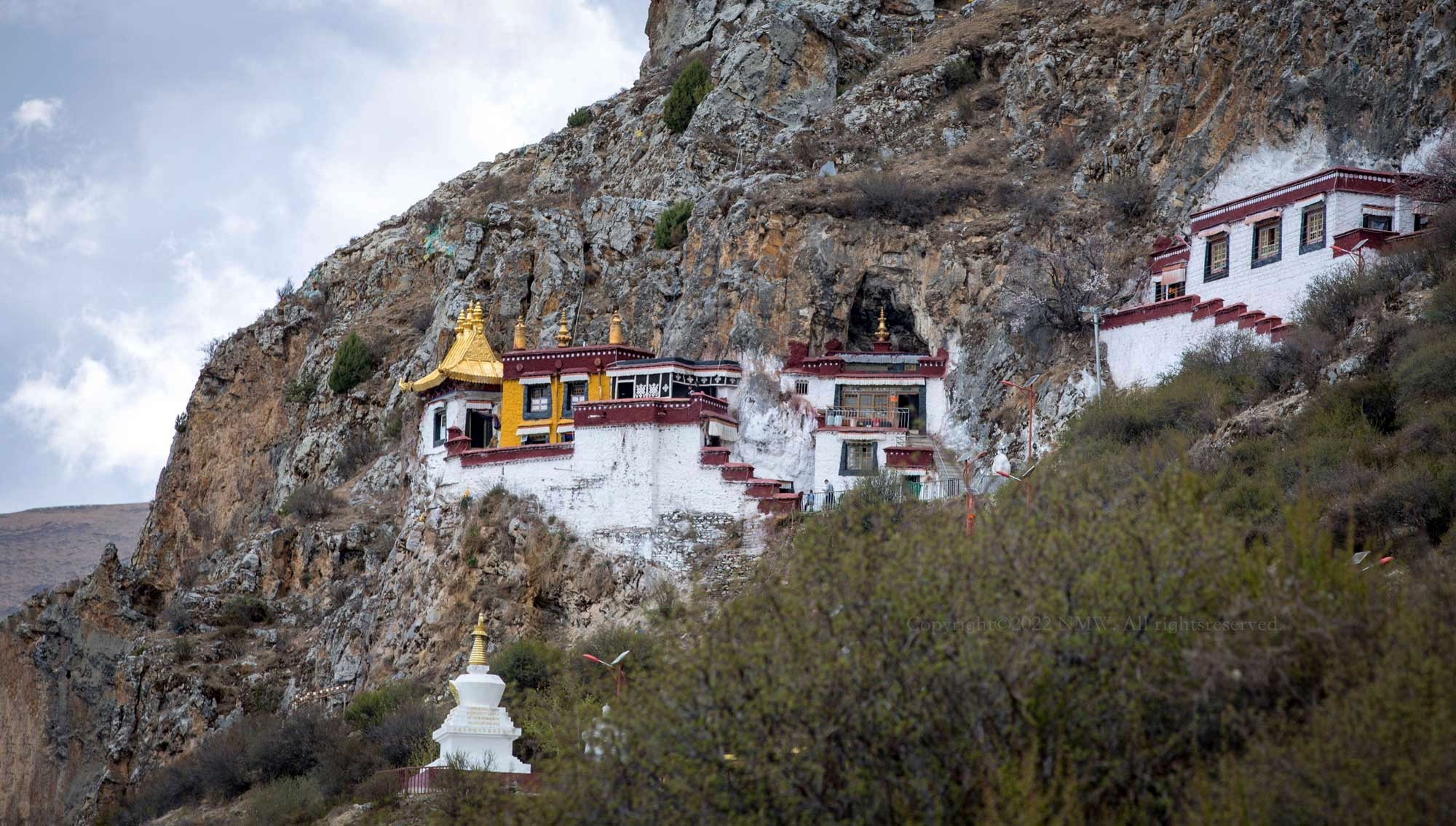
Drak Yerpa, a sacred Tibetan retreat, features ancient caves, stunning landscapes, and spiritual tranquility for pilgrims…
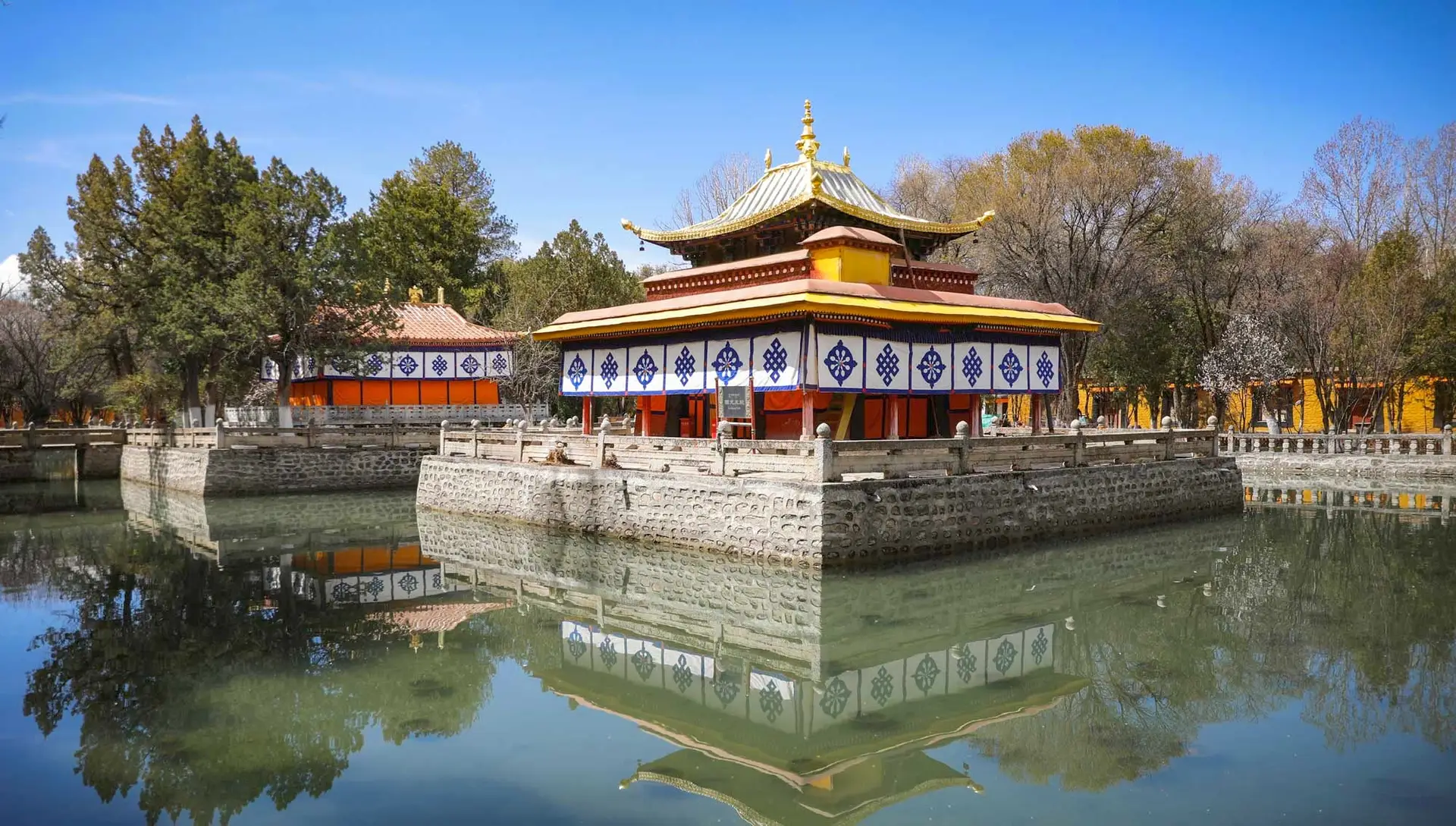
Norbulingka, the Dalai Lama’s summer palace, boasts beautiful gardens, rich Tibetan culture, and historical significance.
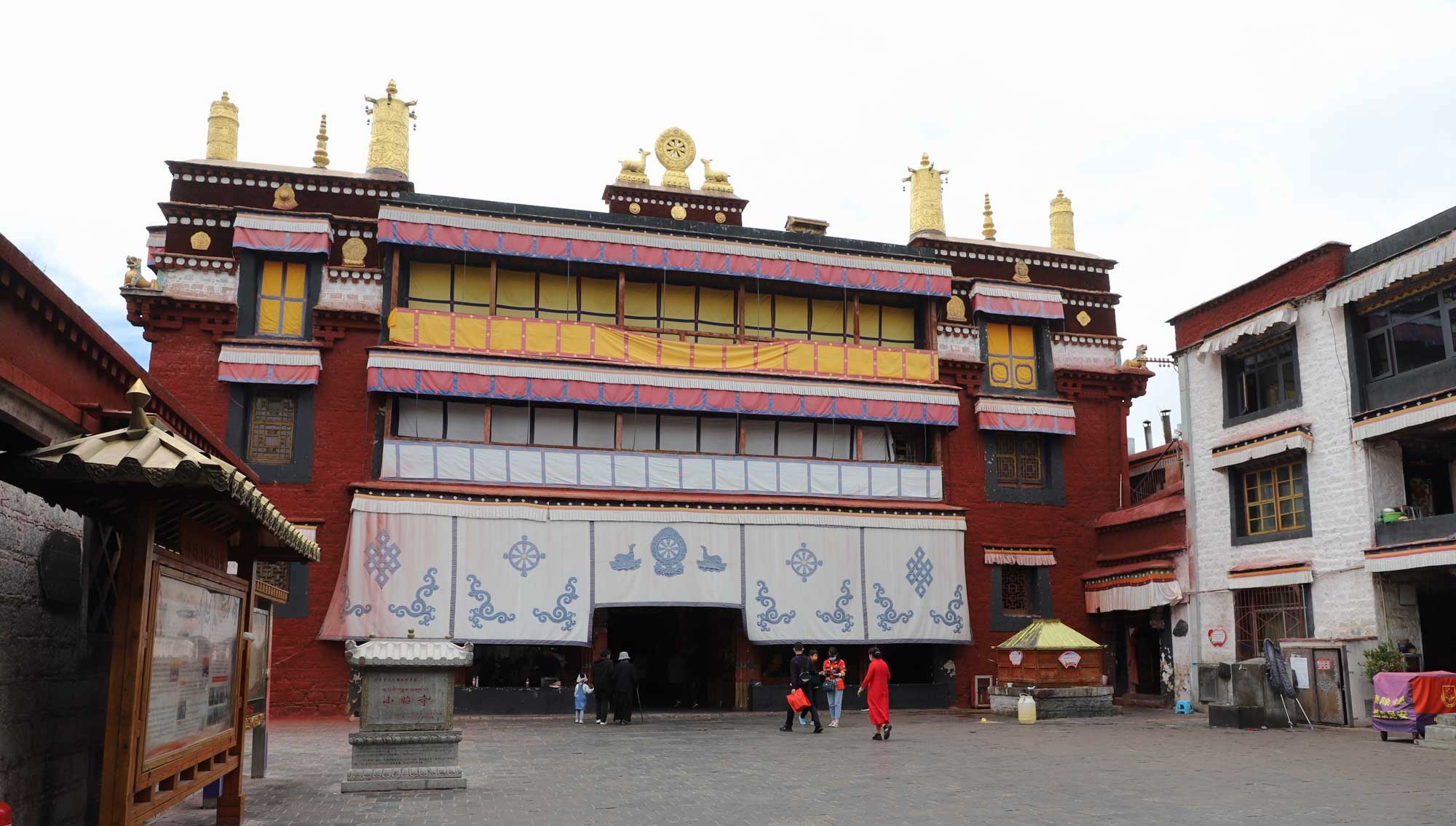
Ramoche Temple, a sacred Lhasa site, features intricate Tibetan architecture and revered Buddhist relics and statues…
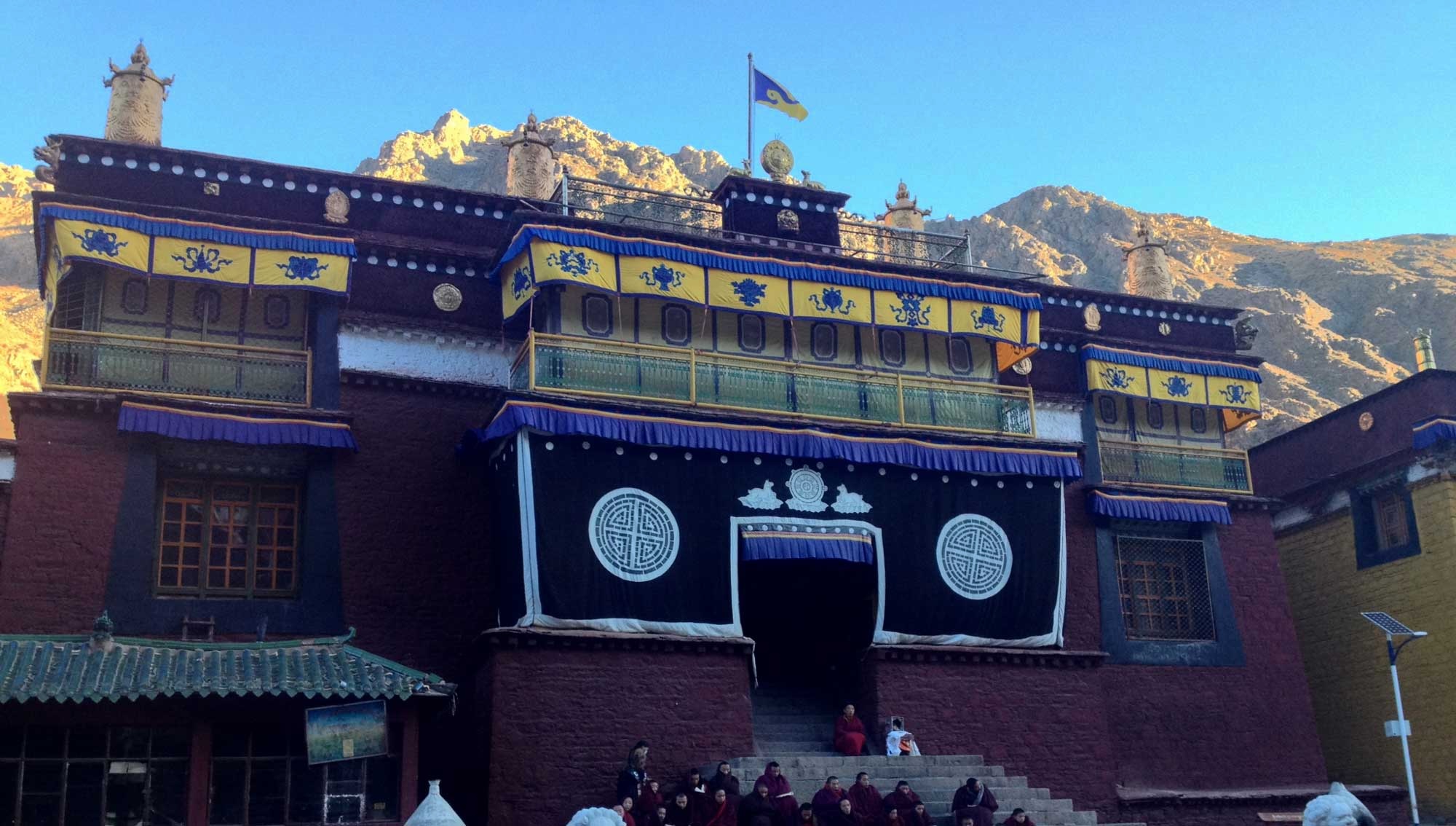
Tsurphu Monastery, a spiritual center, offers stunning landscapes, ancient Tibetan architecture, and deep religious significance…
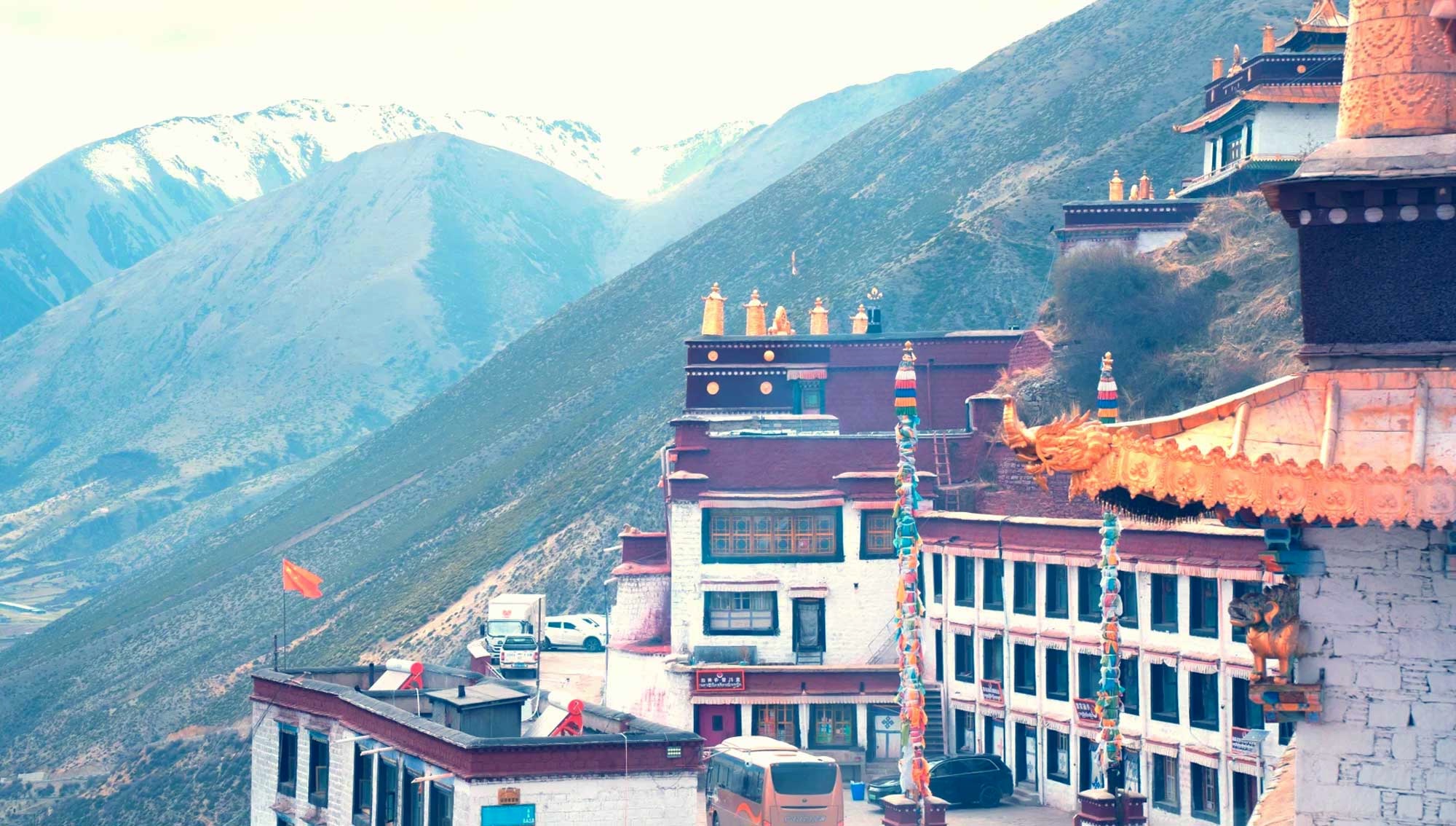
Drigung Til Monastery, renowned for its scenic beauty, offers profound spiritual significance and stunning Tibetan architecture…
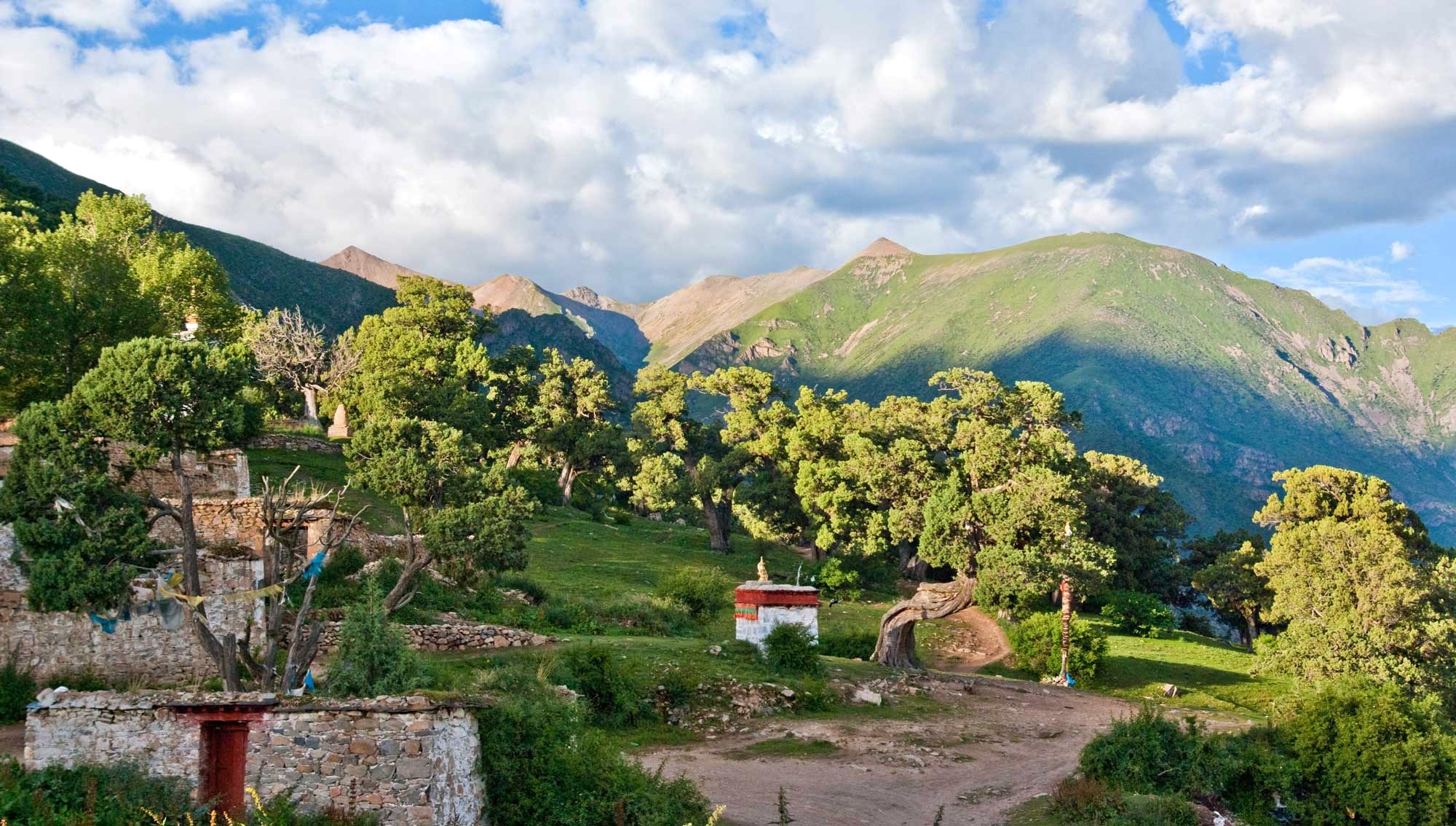
Reting Monastery, a historic Tibetan site, features rich religious heritage, peaceful surroundings, and stunning mountain views…
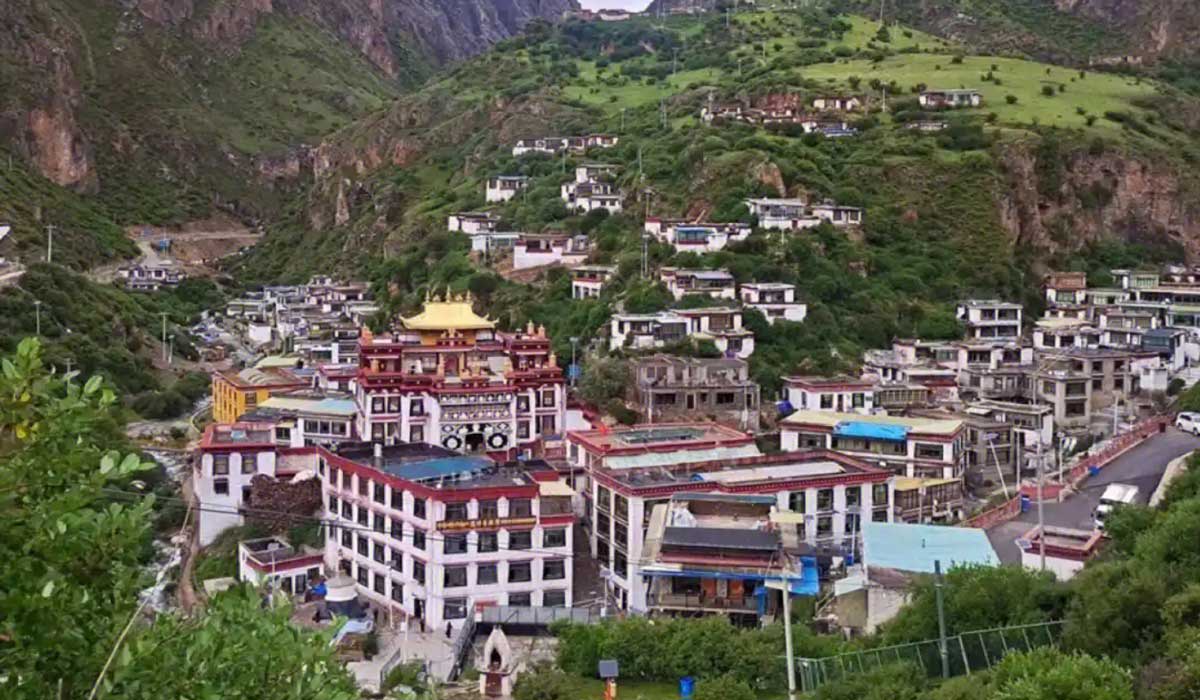
Tidrum Nunnery, a peaceful retreat, offers spiritual solitude, beautiful landscapes, and a deep connection to Tibetan Buddhism…
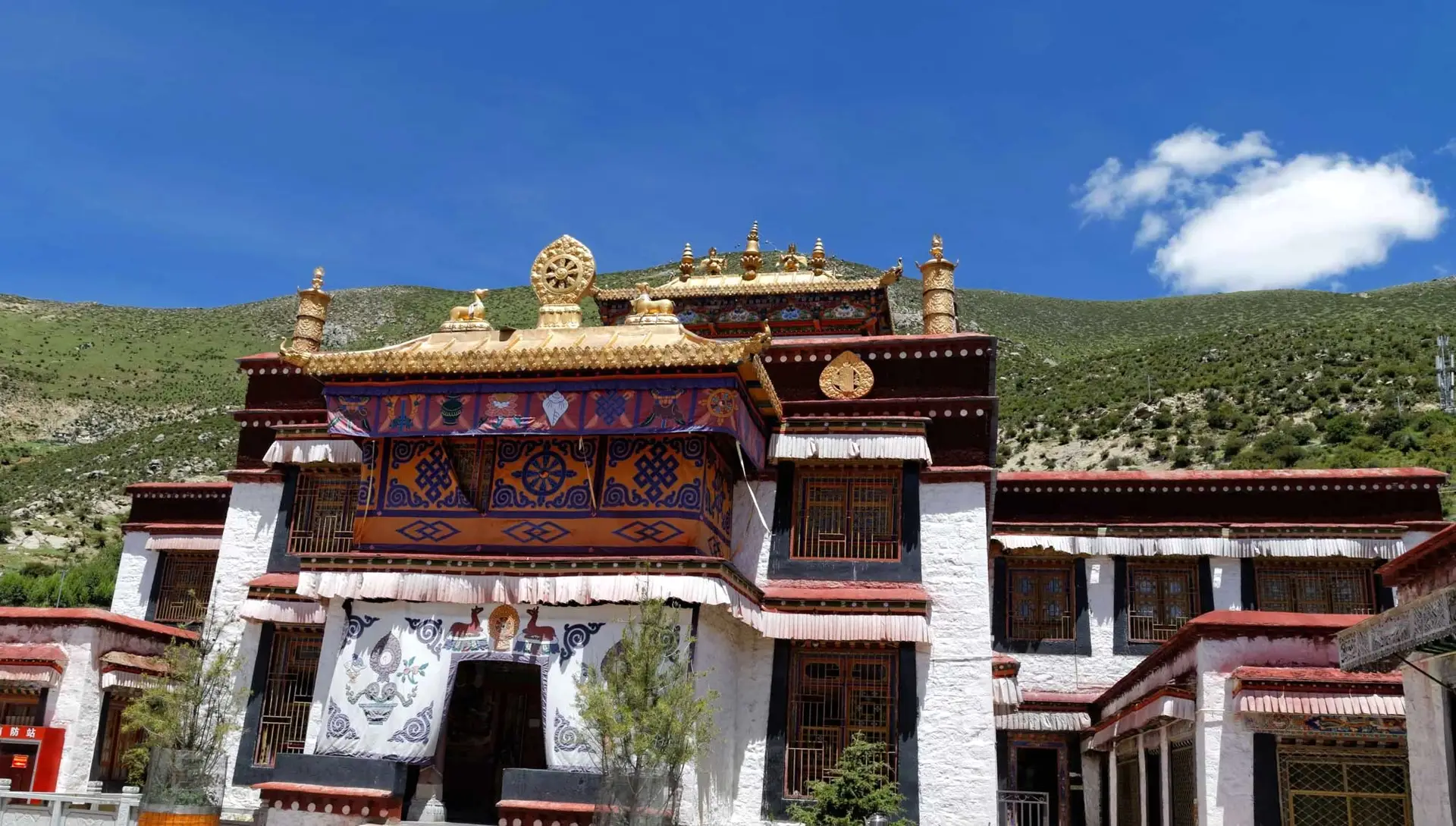
Shugsheb Nunnery, a serene Tibetan retreat, blends spiritual tranquility, stunning views, and deep Buddhist cultural heritage…
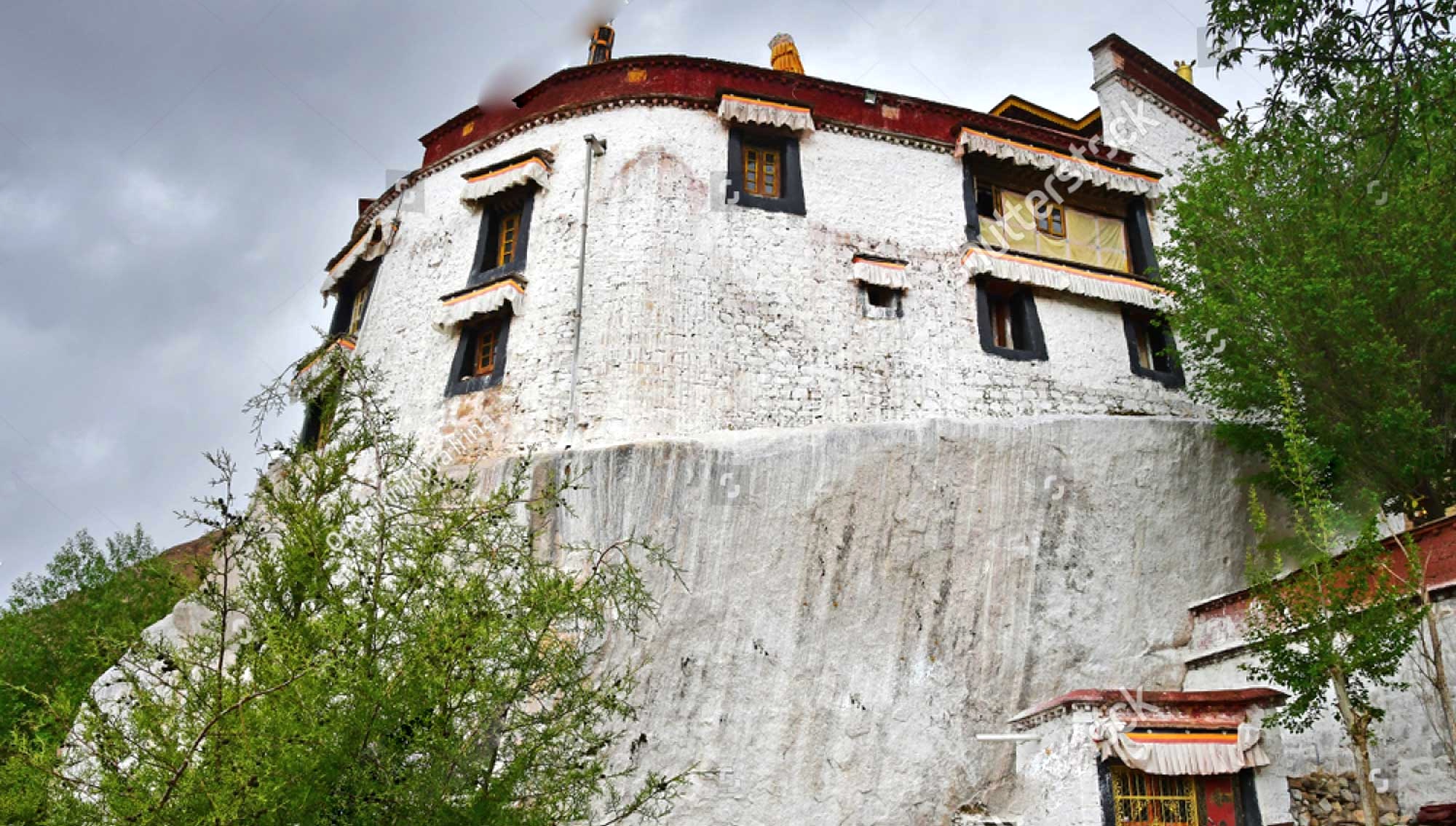
Pabonka Monastery, one of Tibet’s oldest, offers profound spiritual significance, stunning views, and rich historical heritage.
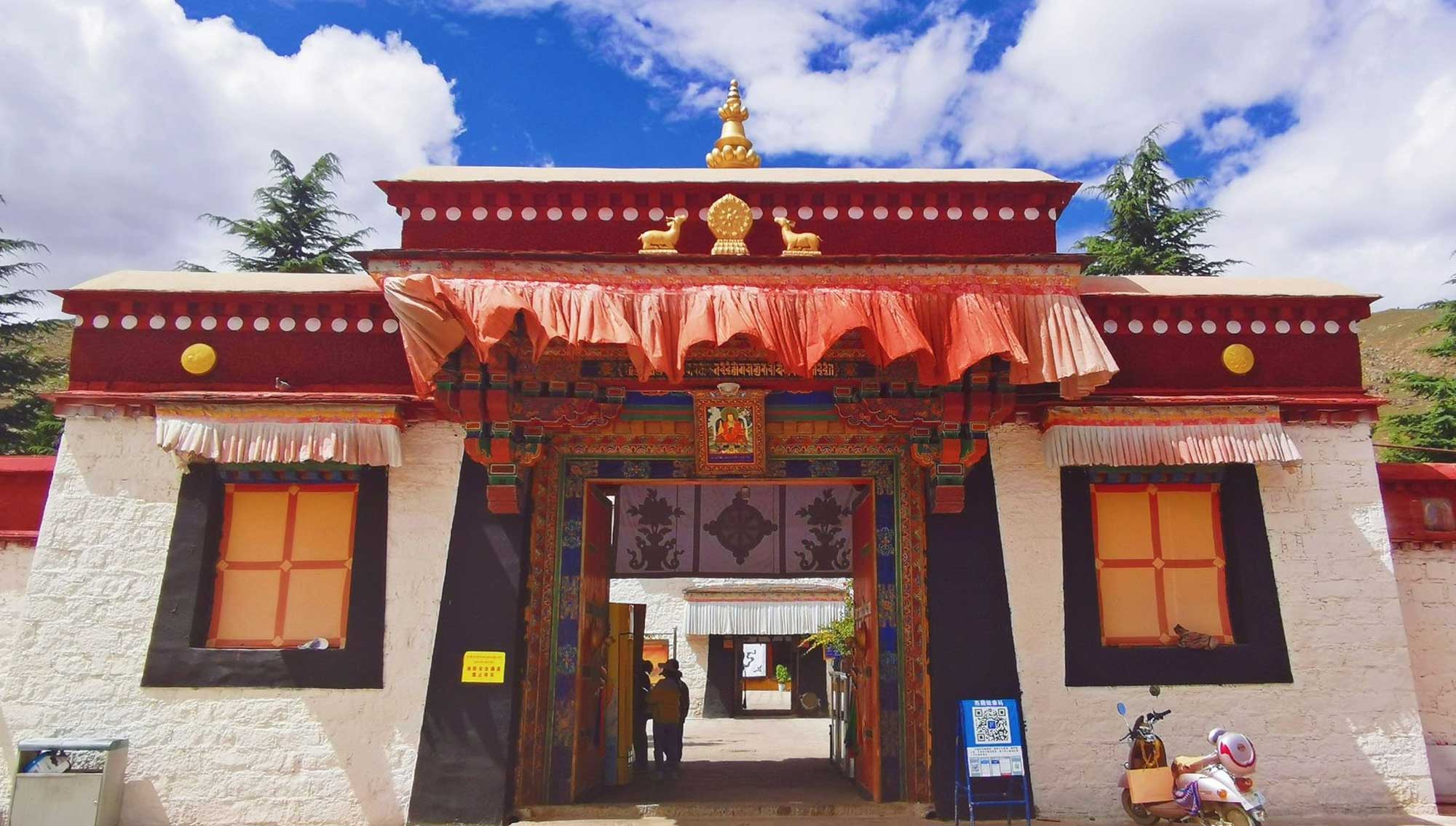
Nyethang Drolma Temple, a sacred Tibetan site, offers spiritual serenity, beautiful architecture, and deep Buddhist significance…
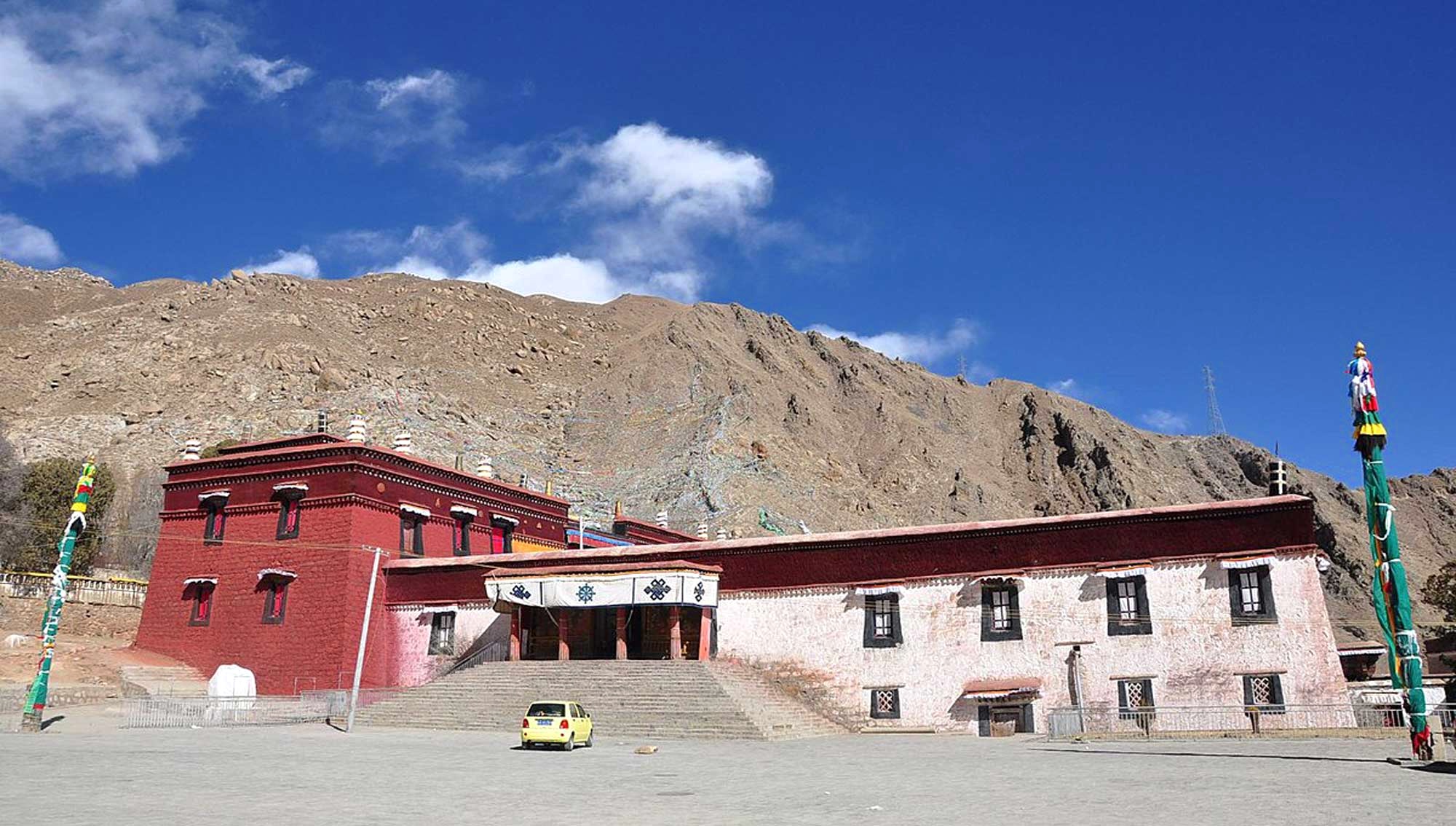
Nechung Monastery, a sacred Tibetan site, is known for its oracle traditions, stunning views, and spiritual significance…
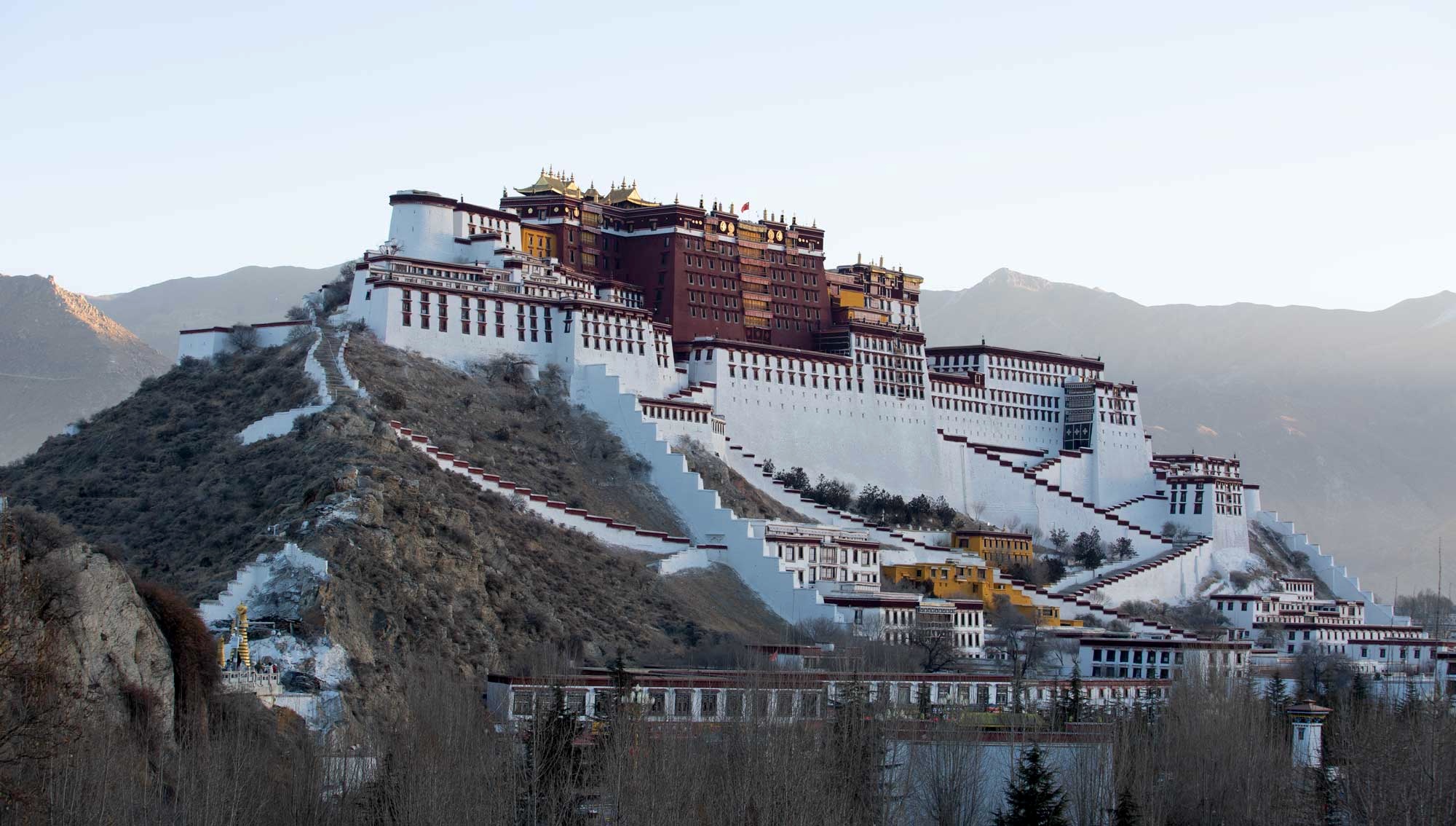
Potala Palace, Lhasa’s iconic landmark, showcases stunning architecture, rich history, and profound spiritual significance…
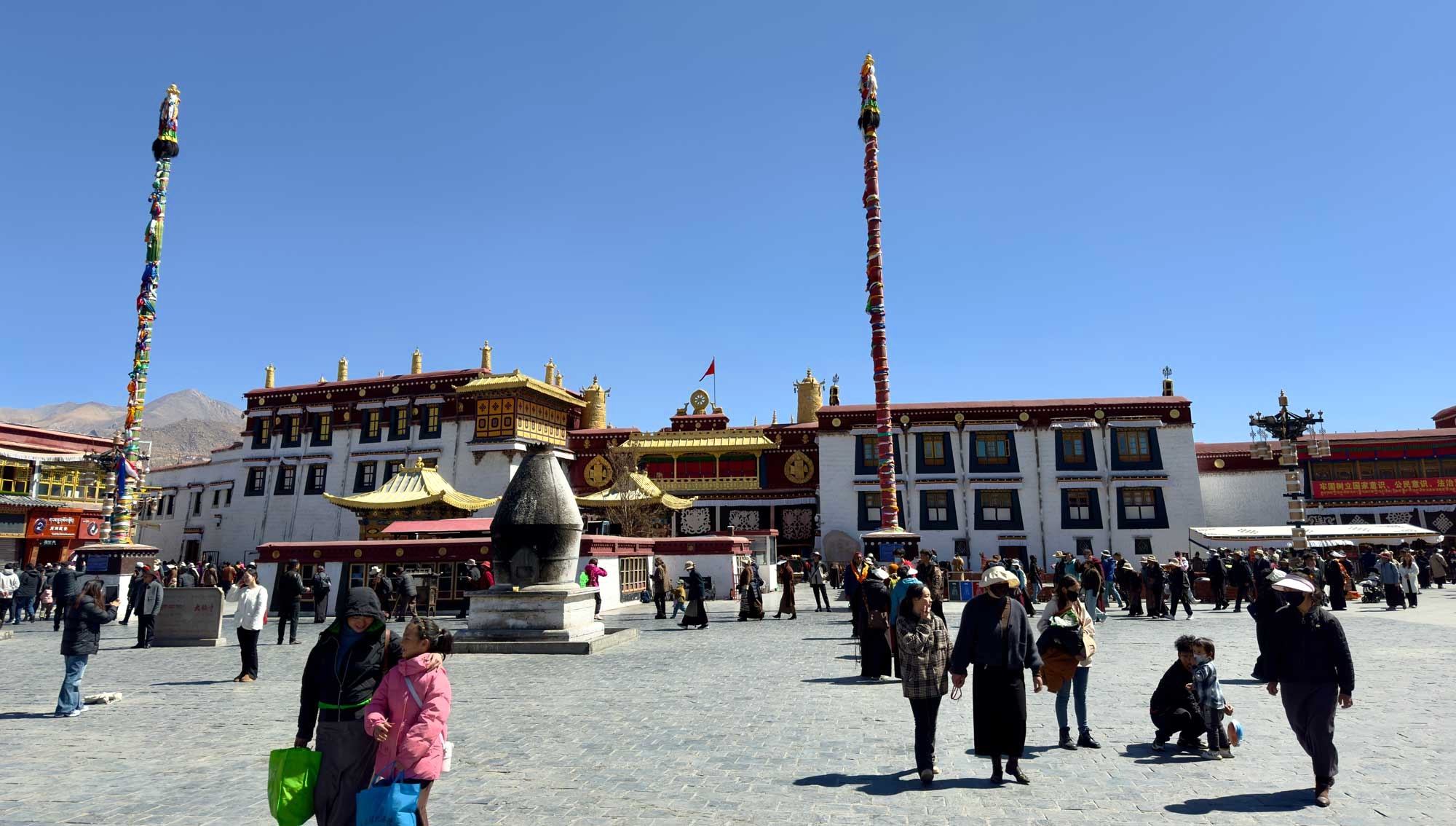
Jokhang Temple, Lhasa’s spiritual heart, is a sacred pilgrimage site with rich Tibetan Buddhist heritage…
Sera Monastery, Lhasa’s renowned Buddhist center, offers captivating debates, ancient teachings, and stunning Tibetan architecture…
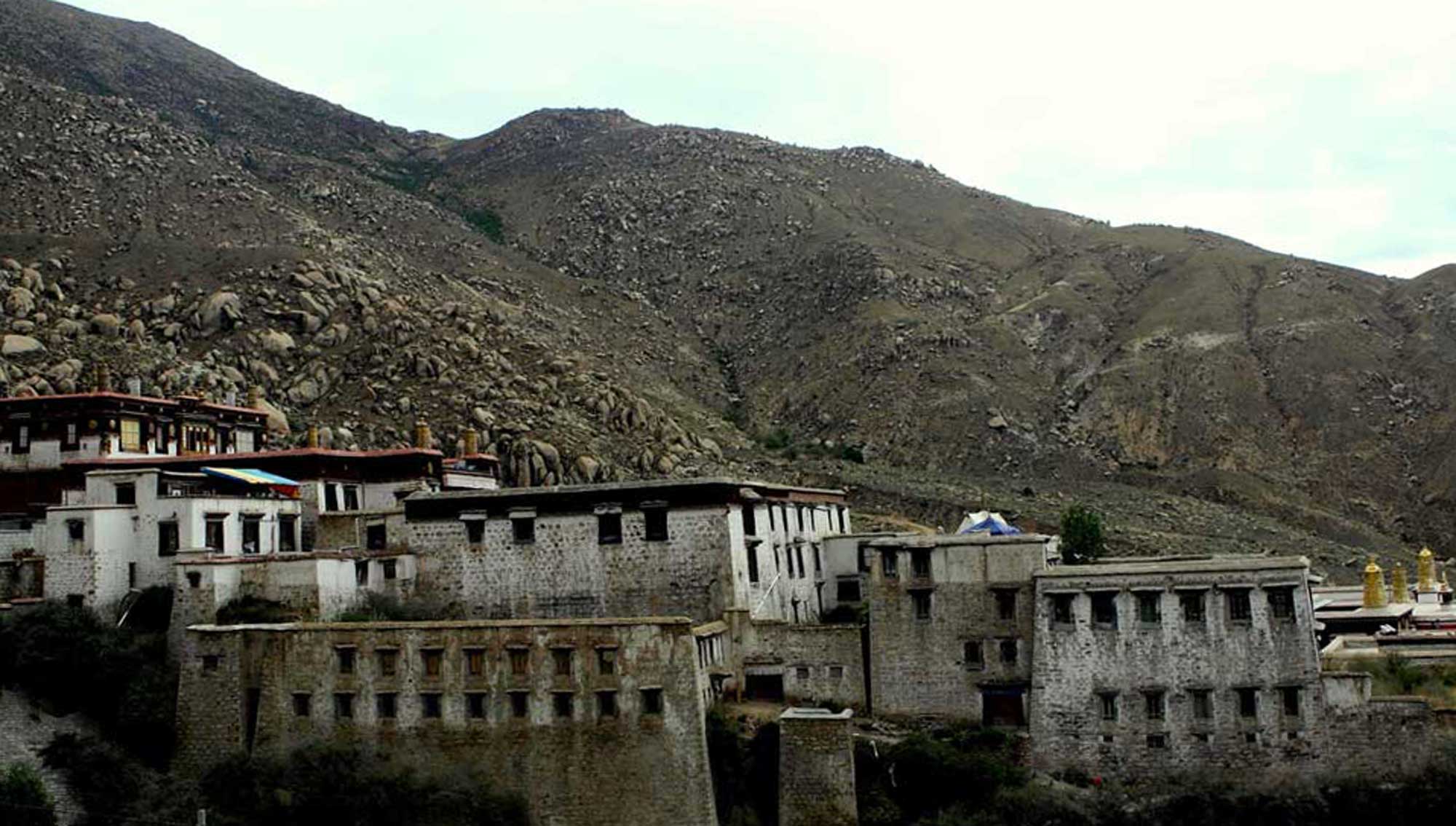
Drepung Monastery, one of Tibet’s largest, offers rich history, stunning architecture, and deep spiritual significance…
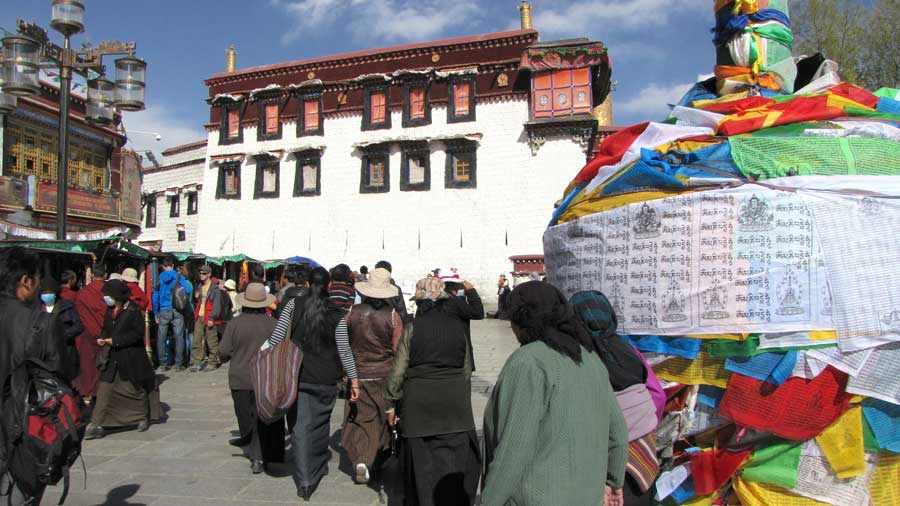
Stroll Barkhor Street, Lhasa’s vibrant hub of culture, spirituality, bustling markets, traditional crafts, and sacred ambiance.
Offers to inspire you
5 Day-Trip to Lhasa City
Making it an unmissable destination for travelers seeking to trip to Lhasa city and explore the essence of Tibet.
7 Day-Lhasa & Shigatse Cultural Exploration
Travel through Tibet’s breathtaking landscapes.