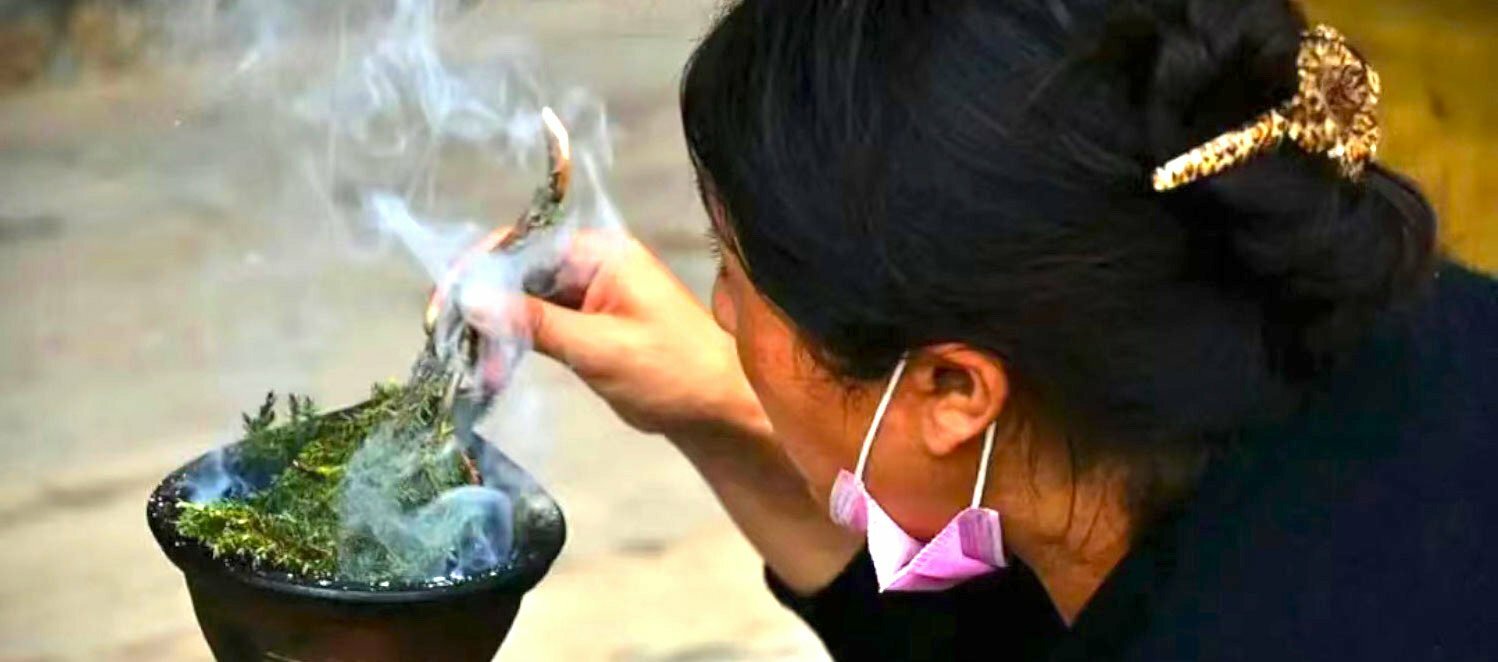

Introduction: Tibetan Sky Burial is a traditional funerary practice that reflects the culture and beliefs of the Tibetan people.
Ever wondered what happens to our bodies after we die? 💀 While most Western cultures go for traditional burials or cremation, there’s a centuries old practice in Tibet that will make you rethink everything you know about death and funeral rites. Welcome to the world of Tibetan Sky Burial—Death rituals in Tibet that’s as bizarre as it is beautiful.
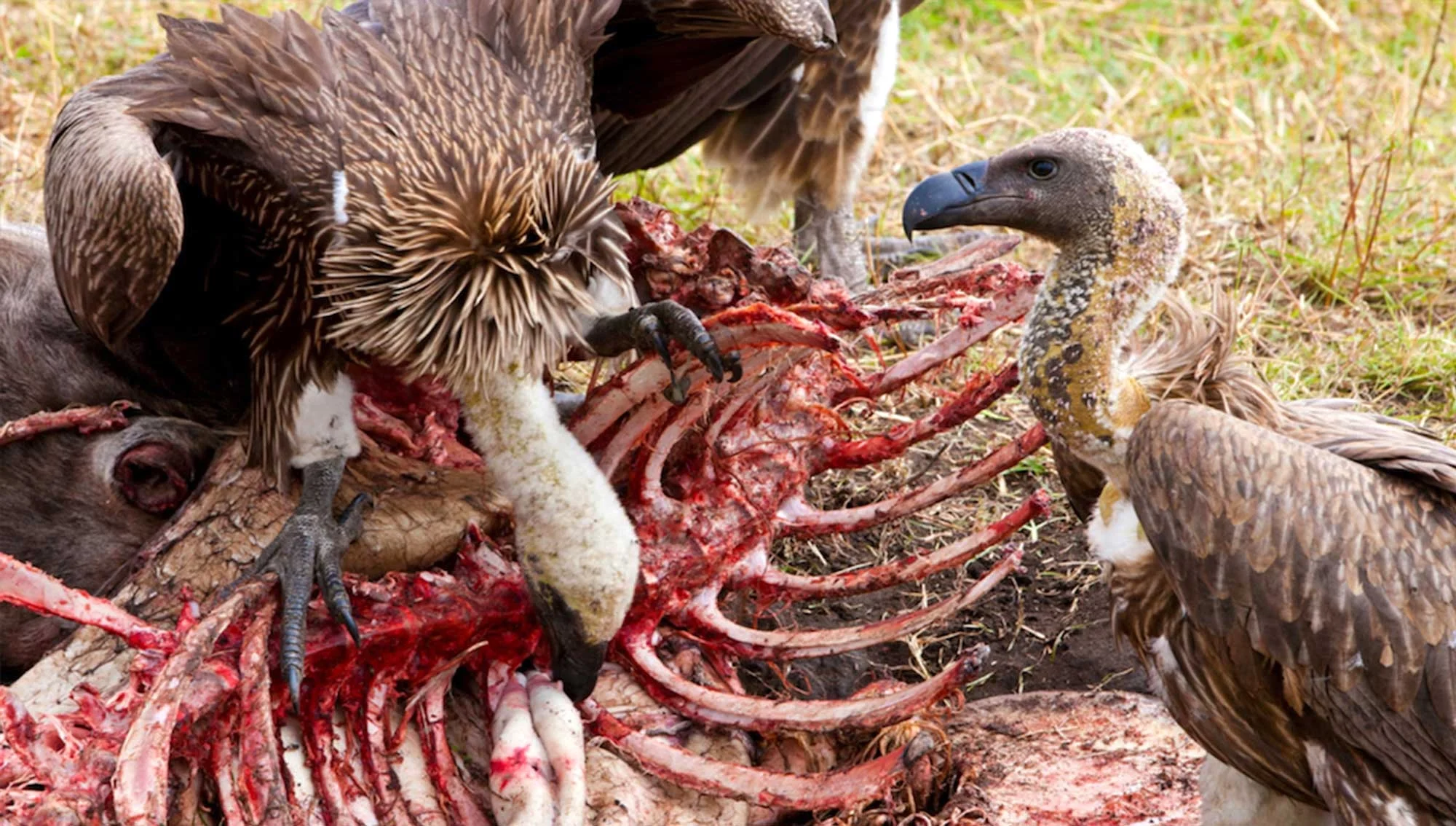
Imagine this: instead of being laid to rest in a coffin or turned to ashes, your body is left exposed on a mountaintop for vultures to eat. 🌄🦅 Shocking? Maybe. But for Tibetan Buddhists, this is deeply rooted in their spiritual beliefs and is the final act of generosity. It’s the exact opposite of Western views on death and challenges our ideas of dignity, closure and the afterlife.
As we dive into this weird and wonderful topic, we’ll look at how Tibetan Sky Burial fits into the bigger picture of world religions, cultural practices and our understanding of death. We’ll explore its history, spiritual foundations and the reactions it gets in different societies. Get ready to have your mind blown and your curiosity piqued as we go on this eye opening journey through one of the world’s most bizarre funeral customs.
The Ritual of Sky Burial
In the high altitude regions of Tibet where the terrain is too rocky for traditional burials and wood for cremation is scarce, sky burial serves both practical and spiritual purposes. The body of the deceased is offered to vultures, symbolizing the impermanence of life and the soul’s journey beyond the physical body. This is the final act of generosity, providing sustenance to living beings while allowing the soul to detach from the physical world.
The ritual goes like this. After death, the body is ritually prepared and taken to a designated sky burial site, usually a mountaintop. Monks or trained burial masters perform prayers and chants, guiding the spirit through the transition. The body is then left to the elements and vultures descend to eat it. This is seen as both a practical solution and a symbolic act of returning the body to nature. Tibetan Buddhists believe the body is just a vessel and once a person dies their consciousness moves on. Unlike Western funeral traditions that focus on preserving and honouring the body, Tibetan Sky Burial emphasizes the impermanence of the physical form. The ritual also aligns with the Buddhist concept of “non-attachment” teaching that clinging to the physical self is futile.
The Spiritual Significance of Sky Burial
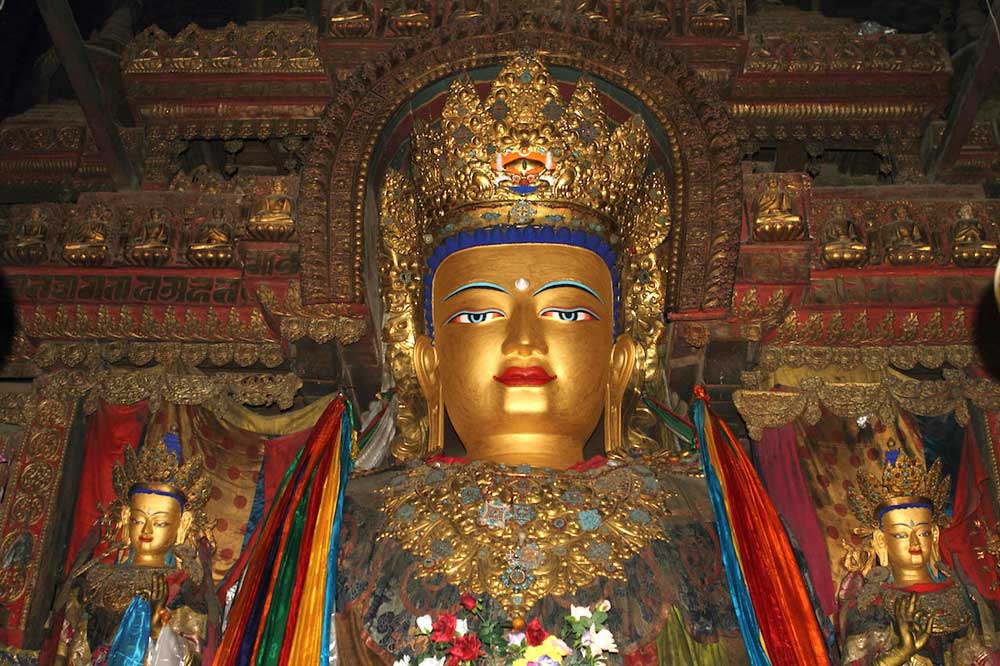
Sky burial is deeply rooted in Tibetan Buddhist teachings, particularly in the concept of samsara—the cycle of birth, death and rebirth. According to Buddhist philosophy, the body has no further use after death and its best purpose is to nourish other living beings. Offering one’s remains to vultures is seen as an act of generosity, embodying the principle of compassion and selflessness.
The ritual is also tied to the idea of karma. Many Tibetans believe by allowing their bodies to be eaten by birds they are generating positive karma which will benefit them in their next life. Monks play a key role in this process, chanting prayers to help guide the departed soul towards a good rebirth.
Western Views of Death
In contrast Western cultures emphasize preservation and memorialization. Practices such as embalming and the use of coffins aim to keep the body intact, reflecting a desire to remember the deceased as they were in life. The idea of leaving a body open and visible to nature may be shocking to those used to closed casket funerals and grave markers as permanent memorials.
The Western approach to death can be traced back to ancient Greece and Rome where honouring the dead with tombs and elaborate burial rituals was a way of ensuring their legacy lived on. Over time religious traditions such as Christian burial rites reinforced the concept of bodily preservation and resurrection and influenced funeral customs.
Also the rise of the funeral industry in the 19th and 20th centuries led to the commercialization of death, with embalming, elaborate coffins and cemetery plots becoming standard practices. This is in stark contrast to Tibetan Sky Burial which has no financial cost and focuses on spiritual liberation rather than material memorialization.
Cultural Shock and Ethical Considerations
To outsiders Tibetan Sky Burial can seem gruesome or even disturbing. The idea of exposing a body to scavengers challenges our deep seated beliefs about dignity and respect. Some see it as indecent, others as an ancient tradition that should be preserved as part of Tibet’s cultural heritage.
Ethical debates have also emerged as tourism to Tibet increases. Some travelers want to see sky burials out of curiosity, raising concerns about the sanctity of the ritual. The Chinese government has put in place travel regulations to prevent outsiders from intruding on the ceremonies, so the practice remains a private and sacred affair.
Challenging Western Thinking
Tibetan Sky Burial challenges Western ideas of dignity and respect around death. By openly acknowledging the body’s return to nature it confronts our Western discomfort with decay and the impermanence of life. This practice invites us to reevaluate what it means to honour the dead and to broaden our understanding of cultural diversity in funeral rites.
For many in the West death is something to be hidden, sanitized and distanced from daily life. In contrast Tibetan Sky Burial sees death as part of existence, reinforcing Buddhist teachings on impermanence (anicca) and detachment from the physical self. This perspective invites us to reflect on our own attitudes towards mortality and the rituals we observe.
As environmental concerns grow there is increasing interest in “green” burial alternatives in the West such as natural burials and composting of remains. These eco-friendly options share similarities with Tibetan Sky Burial in returning the body to nature without chemicals or elaborate coffins. Could Western societies learn from Tibetan traditions and adopt more sustainable and spiritually meaningful funeral practices?
Conclusion
Exploring Tibetan Sky Burial offers profound insights into how different cultures perceive death and the afterlife. It highlights the importance of understanding and respecting diverse practices and invites us to reflect on our own beliefs about mortality and how we choose to commemorate the dead.
By learning from such unique traditions we can appreciate the many ways humanity navigates the mysteries of life and death. Whether we like sky burial or not it is a powerful reminder that our approach to death is shaped by culture, spirituality and personal beliefs. Perhaps in confronting other perspectives we may find new meaning in our own understanding of life’s final journey.So what does Tibetan Sky Burial really ask us? Is death an end or a transition? And how do our cultures shape our goodbye? As we become more globalised let’s learn from other traditions to be more open and kind.
Further Reading:
Want to learn more? Explore different perspectives on Tibetan Sky Burial—how it works and its deep cultural significance in Tibetan traditions.